Doomsday Preppers Super Store
Just another WordPress site
Primitive Wilderness Living & Survival Skills: Naked into the Wilderness
Primitive Wilderness Living & Survival Skills: Naked into the Wilderness

This book is an in depth “how-to” of outdoor primitive skills.

SURVIVAL, EVASION, AND RECOVERY, Plus 500 free US military manuals and US Army field manuals when you sample this book
SURVIVAL, EVASION, AND RECOVERY, Plus 500 free US military manuals and US Army field manuals when you sample this book

SURVIVAL, EVASION, AND RECOVERY
Take a look at the sample for this book and for details about downloading 500 free US military manuals as a thank you for taking the time to look at our book.
TABLE OF CONTENTS
QUICK REFERENCE CHECKLIST . i
CHAPTER I EVASIONI-1
Planning I-1
Camouflage.I-1
Shelters.I-3
Movement .I-3
CHAPTER II NAVIGATION.II-1
Stay or Move Considerations .II-1
Determine Navigation and Position II-2
Travel Considerations II-9
River TravelII-9
Ice and Snow Travel II-9
Mountain Hazards II-11
Dry Climates II-11
Tropical Climates . II-11
Open Seas. II-12
RADIO COMMUNICATION AND
SIGNALING III-1
Radio Communications (Voice and
Data) III-1
Signaling. III-2
RECOVERYIV-1
Responsibilities.IV-1
Initial Actions.IV-1
Actions on the Ground/in the Water IV-1
Site SelectionIV-2
Prepare for RecoveryIV-2
Communicate with Recovery Force IV-2
General Principles of Recovery.IV-3
Unassisted RecoveryIV-3
Assisted Recovery IV-5
SURVIVAL MEDICINE V-1
Immediate First Aid Actions .V-1
Common Injuries and IllnessesV-5
Plant Medicine .V-9
Health and Hygiene .V-12
Rules for Avoiding Illness.V-12
PERSONAL PROTECTION .VI-1
PrioritiesVI-1
Care and Use of ClothingVI-1
Other Protective Equipment VI-2
Shelters VI-3
FiresVI-8
WATER .VII-1
Water RequirementsVII-1
Signs and Symptoms of Dehydration.VII-1
Water ProcurementVII-1
Water Preparation and Storage .VII-7
FOOD .VIII-9
Food Requirements VIII-9
Food Preparation VIII-15
FM 3-50.3/NTTP 3-50.3/AFTTP(I) 3-iv 2.26 20 March 2007
CHAPTER IX
APPENDICES
GLOSSARY
FIGURES
Food Preservation VIII-17
INDUCED CONDITIONS . IX-1
Nuclear Conditions. IX-1
Biological Conditions IX-6
Chemical Conditions IX-6
A. The Will to Survive A-1
B. Publication Information . B-1
. Glossary-1
Figure I-1. Camouflage Patterns I-2
Figure II-1. Stick and Shadow
Method to Determine North/South
LineII-2
Figure II-2. Wristwatch Method to
Determine North/South Line II-3
Figure II-3. Celestial Aids (Stars)
Method to Determine North/South
LineII-3
Figure II-4. Map Orientation with a
Dial or Needle CompassII-4
Figure II-5. Map Orientation with a
Compass RoseII-5
Figure II-6. Triangulation .II-6
Figure II-7. Setting the Compass for
Night Navigation II-7
Figure II-8. Dogleg and 90-Degree
Offset.II-8
Figure II-9. Improvised Snowshoes.II-10
Figure III-1. Radio Transmission
CharacteristicsIII-1
Figure III-2. Size and Ratio.III-3
Figure III-3. Signal Key.III-3
Figure IV-1. Rescue Strap. IV-4
Figure IV-2. Forest Penetrator. IV-4
Figure IV-3. Fixed Loop IV-5
Figure V-1. Open Airway V-1
20 March 2007 FM 3-50.3/NTTP 3-50.3/AFTTP(I) 3-2.26 v
Figure V-2. Combat-Application-Tourniquet V-2
Figure V-3. QuickClot V-3
Figure V-4. Useful Plants.V-11
Figure VI-1. Improvised Foot WearVI-2
Figure VI-2. Sun and Snow Goggles VI-3
Figure VI-3. Gaiters VI-3
Figure VI-4. Immediate Shelters .VI-4
Figure VI-5. Thermal A-FrameVI-5
Figure VI-6. Snow Trench.VI-5
Figure VI-7. Snow Cave .VI-6
Figure VI-8. Poncho/Parachute Shade
ShelterVI-7
Figure VI-9. Elevated Platform Shelter .VI-7
Figure VI-10. Shingle Method.VI-8
Figure VI-11. Tepee Fire and Log Cabin
Fire.VI-9
Figure VI-12. Sod Fire and Reflector VI-10
Figure VI-13. Dakota Fire Hole .VI-10
Figure VII-1. Water Procurement .VII-2
Figure VII-2. Water IndicatorsVII-3
Figure VII-3. Banana Plants.VII-4
Figure VII-4. Water Vines VII-5
Figure VII-5. Beach WellVII-5
Figure VII-6. Transpiration Bag.VII-6
Figure VII-7. Vegetation Bag .VII-6
Figure VII-8. Seepage BasinVII-7
Figure VIII-1. Snare Placement VIII-9
Figure VIII-2. Locking Loop.VIII-10
Figure VIII-3. Squirrel Pole .VIII-10
Figure VIII-4. Funneling VIII-11
Figure VIII-5. Procurement DevicesVIII-12
Figure VIII-6. Procurement Methods.VIII-12
Figure VIII-7. Small Game Skinning .VIII-16
Figure IX-1. Immediate Action Shelter IX-1
Figure IX-2. Improvised Shelter IX-2
Figure IX-3. Radiation Shielding Efficiencies IX-3
Figure IX-4. Filtration Systems, Filtering
Water .IX-4
Figure IX-5. Filtration Systems, Settling
Water .IX-4
SURVIVAL, EVASION, AND RECOVERY
Take a look at the sample for this book and for details about downloading 500 free US military manuals as a thank you for taking the time to look at our book.
TABLE OF CONTENTS
QUICK REFERENCE CHECKLIST . i
CHAPTER I EVASIONI-1
Planning I-1
Camouflage.I-1
Shelters.I-3
Movement .I-3
CHAPTER II NAVIGATION.II-1
Stay or Move Considerations .II-1
Determine Navigation and Position II-2
Travel Considerations II-9
River TravelII-9
Ice and Snow Travel II-9
Mountain Hazards II-11
Dry Climates II-11
Tropical Climates . II-11
Open Seas. II-12
RADIO COMMUNICATION AND
SIGNALING III-1
Radio Communications (Voice and
Data) III-1
Signaling. III-2
RECOVERYIV-1
Responsibilities.IV-1
Initial Actions.IV-1
Actions on the Ground/in the Water IV-1
Site SelectionIV-2
Prepare for RecoveryIV-2
Communicate with Recovery Force IV-2
General Principles of Recovery.IV-3
Unassisted RecoveryIV-3
Assisted Recovery IV-5
SURVIVAL MEDICINE V-1
Immediate First Aid Actions .V-1
Common Injuries and IllnessesV-5
Plant Medicine .V-9
Health and Hygiene .V-12
Rules for Avoiding Illness.V-12
PERSONAL PROTECTION .VI-1
PrioritiesVI-1
Care and Use of ClothingVI-1
Other Protective Equipment VI-2
Shelters VI-3
FiresVI-8
WATER .VII-1
Water RequirementsVII-1
Signs and Symptoms of Dehydration.VII-1
Water ProcurementVII-1
Water Preparation and Storage .VII-7
FOOD .VIII-9
Food Requirements VIII-9
Food Preparation VIII-15
FM 3-50.3/NTTP 3-50.3/AFTTP(I) 3-iv 2.26 20 March 2007
CHAPTER IX
APPENDICES
GLOSSARY
FIGURES
Food Preservation VIII-17
INDUCED CONDITIONS . IX-1
Nuclear Conditions. IX-1
Biological Conditions IX-6
Chemical Conditions IX-6
A. The Will to Survive A-1
B. Publication Information . B-1
. Glossary-1
Figure I-1. Camouflage Patterns I-2
Figure II-1. Stick and Shadow
Method to Determine North/South
LineII-2
Figure II-2. Wristwatch Method to
Determine North/South Line II-3
Figure II-3. Celestial Aids (Stars)
Method to Determine North/South
LineII-3
Figure II-4. Map Orientation with a
Dial or Needle CompassII-4
Figure II-5. Map Orientation with a
Compass RoseII-5
Figure II-6. Triangulation .II-6
Figure II-7. Setting the Compass for
Night Navigation II-7
Figure II-8. Dogleg and 90-Degree
Offset.II-8
Figure II-9. Improvised Snowshoes.II-10
Figure III-1. Radio Transmission
CharacteristicsIII-1
Figure III-2. Size and Ratio.III-3
Figure III-3. Signal Key.III-3
Figure IV-1. Rescue Strap. IV-4
Figure IV-2. Forest Penetrator. IV-4
Figure IV-3. Fixed Loop IV-5
Figure V-1. Open Airway V-1
20 March 2007 FM 3-50.3/NTTP 3-50.3/AFTTP(I) 3-2.26 v
Figure V-2. Combat-Application-Tourniquet V-2
Figure V-3. QuickClot V-3
Figure V-4. Useful Plants.V-11
Figure VI-1. Improvised Foot WearVI-2
Figure VI-2. Sun and Snow Goggles VI-3
Figure VI-3. Gaiters VI-3
Figure VI-4. Immediate Shelters .VI-4
Figure VI-5. Thermal A-FrameVI-5
Figure VI-6. Snow Trench.VI-5
Figure VI-7. Snow Cave .VI-6
Figure VI-8. Poncho/Parachute Shade
ShelterVI-7
Figure VI-9. Elevated Platform Shelter .VI-7
Figure VI-10. Shingle Method.VI-8
Figure VI-11. Tepee Fire and Log Cabin
Fire.VI-9
Figure VI-12. Sod Fire and Reflector VI-10
Figure VI-13. Dakota Fire Hole .VI-10
Figure VII-1. Water Procurement .VII-2
Figure VII-2. Water IndicatorsVII-3
Figure VII-3. Banana Plants.VII-4
Figure VII-4. Water Vines VII-5
Figure VII-5. Beach WellVII-5
Figure VII-6. Transpiration Bag.VII-6
Figure VII-7. Vegetation Bag .VII-6
Figure VII-8. Seepage BasinVII-7
Figure VIII-1. Snare Placement VIII-9
Figure VIII-2. Locking Loop.VIII-10
Figure VIII-3. Squirrel Pole .VIII-10
Figure VIII-4. Funneling VIII-11
Figure VIII-5. Procurement DevicesVIII-12
Figure VIII-6. Procurement Methods.VIII-12
Figure VIII-7. Small Game Skinning .VIII-16
Figure IX-1. Immediate Action Shelter IX-1
Figure IX-2. Improvised Shelter IX-2
Figure IX-3. Radiation Shielding Efficiencies IX-3
Figure IX-4. Filtration Systems, Filtering
Water .IX-4
Figure IX-5. Filtration Systems, Settling
Water .IX-4
Related Survival Book Products
When Disaster Strikes: A Comprehensive Guide for Emergency Planning and Crisis Survival
When Disaster Strikes: A Comprehensive Guide for Emergency Planning and Crisis Survival

Disasters often strike without warning and leave a trail of destruction in their wake. Yet armed with the right tools and information, survivors can fend for themselves and get through even the toughest circumstances. Matthew Stein’s When Disaster Strikes provides a thorough, practical guide for how to prepare for and react in many of life’s most unpredictable scenarios.
In this disaster-preparedness manual, he outlines the materials you’ll need-from food and water, to shelter and energy, to first-aid and survival skills-to help you safely live through the worst. When Disaster Strikes covers how to find and store food, water, and clothing, as well as the basics of installing back-up power and lights. You’ll learn how to gather and sterilize water, build a fire, treat injuries in an emergency, and use alternative medical sources when conventional ones are unavailable.
Stein instructs you on the smartest responses to natural disasters-such as fires, earthquakes, hurricanes and floods-how to keep warm during winter storms, even how to protect yourself from attack or other dangerous situations. With this comprehensive guide in hand, you can be sure to respond quickly, correctly, and confidently when a crisis threatens.
Official Military Survival Manual FM-21-76
Official Military Survival Manual FM-21-76

- Survival Techniques for use in the wilderness, manual from the US Army
Official Military Survival Manual FM-21-76 – This manual has been written to help you acquire survival skills. It tells you how to travel, find water and food, shelter yourself from the weather and care for yourself if you become sick or injured. This information is first treated generally and then applied specifically to such special areas as the Arctic, the desert, the jungle and the ocean.1970 Military Issue Manual. General Introduction and Individual and Group Survival Orientation Navigation, Finding Water In All Parts of The Globe. How To Obtain Food, Start a Fire and much more! Very Good Quality. Illustrations. 288 Pages. Size: 5 1/2″ x 8 1/2″.
Emergency: This Book Will Save Your Life
Emergency: This Book Will Save Your Life

With the same sharp eye, quick with, and narrative drive that marked his bestsellers The Game, The Dirt, and How to Make Love Like a Porn Star, Neil Strauss takes us on a white-knuckled journey through America’s heart of darkness as he scrambles to escape the system. It’s one man’s story of a dangerous world—and how to stay alive in it.
Book Description
Terrorist attacks. Natural disasters. Domestic crackdowns. Economic collapse. Riots. Wars. Disease. Starvation.
What can you do when it all hits the fan?
You can learn to be self-sufficient and survive without the system.
**I’ve started to look at the world through apocalypse eyes.** So begins Neil Strauss’s harrowing new book: his first full-length worksince the international bestseller The Game, and one of the most original-and provocative-narratives of the year.
After the last few years of violence and terror, of ethnic and religious hatred, of tsunamis and hurricanes–and now of world financial meltdown–Strauss, like most of his generation, came to the sobering realization that, even in America, anything can happen. But rather than watch helplessly, he decided to do something about it. And so he spent three years traveling through a country that’s lost its sense of safety, equipping himself with the tools necessary to save himself and his loved ones from an uncertain future.
With the same quick wit and eye for cultural trends that marked The Game, The Dirt, and How to Make Love Like a Porn Star, Emergency traces Neil’s white-knuckled journey through today’s heart of darkness, as he sets out to move his life offshore, test his skills in the wild, and remake himself as a gun-toting, plane-flying, government-defying survivor. It’s a tale of paranoid fantasies and crippling doubts, of shady lawyers and dangerous cult leaders, of billionaire gun nuts and survivalist superheroes, of weirdos, heroes, and ordinary citizens going off the grid.
It’s one man’s story of a dangerous world–and how to stay alive in it.
Before the next disaster strikes, you’re going to want to read this book. And you’ll want to do everything it suggests. Because tomorrow doesn’t come with a guarantee…
Questions for Neil Strauss
 Amazon.com: What initially inspired you to write Emergency?
Strauss: It happened over the last eight years, watching as everything that we thought could never happen in America suddenly started happening. So I decided to take control over my own life, rather than being dependent on an increasingly undependable system, and worked toward becoming as self-sufficient, independent, skilled, and experienced as I could. That journey continues today.
Amazon.com: You use the term “Fliesian” in the book (as in Lord of the Flies). What is a Fliesian?
Strauss: Someone who believes that people, if put in a world where there are no consequences to their actions, will do horrible things.
Amazon.com: So how can we hold on to our kindness and humaneness in a crisis?
Strauss: Fortunately, in my experience, it is precisely these situations when you see the best in people come out. The worst in some tends to arise only when the resources one needs to survive are scarce and there is competition for them.
Amazon.com: Do you think that this book is catering to a fear-based culture?
Strauss: Actually, the book is less about spreading fears than getting over them. What most of us fear is the unknown, and we fret about what’s going to happen in an uncertain future when we consider the calamities of the past. I decided to no longer react to the things I read in newspapers, but instead to understand them. So I took each worst-case scenario to the extreme, and experienced many of the things that used to make me anxious. I guess, in that way, it was like a more interesting, adventurous Prozac.
Amazon.com: A lot of writers these days are basing books on various year-long stunts: read the encyclopedia for a year, always say “yes” for a year, have sex with your wife every day for a year. But your brand of immersion journalism, in Emergency and in The Game, is more open-ended–and more personal–than that. Do you draw any sort of line between the books and your life?
Strauss: My books never begin as books. They usually begin as some sort of lack I recognize in my life and try to fix with the help of the most qualified experts I can find. Often, these people are not in the public eye, but hidden in a splinter subculture. And while I’m trying to get taken under their wing, I realize at some point I’m spending so much time trying to learn and improve that I might as well have something to show for it, so I write a book.
Amazon.com: One of the first subcultures you embedded yourself in was a cabal of billionaires. Are wealthy people safer than the rest of us?
Strauss: No, they’re more scared than the rest of us. That’s why they’re taking so many precautionary measures. They are defined by their money, and now that identity is crumbling around them. You can’t buy safety. Those who are the most safe are the ones with knowledge, skills, and experience.
Amazon.com: You describe the philosophy of the sphincter in Emergency. What is that?
Strauss: I learned that from one of my defense instructors. The basic idea is that, in a high-pressure situation, the first thing that happens is people get nervous and uptight. And as soon as your sphincter tightens, as the metaphor goes, it cuts off circulation to your brain. So one of the best survival skills you can have is the ability to quickly and coolly assess a situation rather than panicking and doing something stupid.
Amazon.com: From your wilderness survival training, it sounds like you’re in pretty good shape if things ever hit the fan. But what if you live in the city?
Strauss: That’s a good point. A lot of the wilderness survival skills I learned don’t take into account that, in America today, there’s little actual wilderness left. So I took a class called Urban Escape and Evasion. As the teacher put it, “Once you learn lockpicking, the world is your oyster.” He also taught car hot-wiring, evading pursuit vehicles, and, as an exam, handcuffed me, put me in a trunk, and told me I had to escape. It was one of the most interesting classes I’d taken in my life. If I’d known these skills in high school, I definitely would have been expelled.
Amazon.com: The book has a surprising trajectory–surprising to the reader and I think to you as well. You start out looking for a way to get out of Dodge if one of many possible disasters strikes, but as you develop your survival skills, instead of becoming a lone wolf in the woods, you start becoming tied to your community, as an EMT and a trained crisis management worker (not to mention a goat midwife). It’s actually pretty heartwarming. Did you see any of that coming?
Strauss: Definitely not. I had no idea that when disasters happen now, instead of running away from them, I’d be running toward them and trying to be of some use to the community. I think that, if there’s a silver lining in the dark cloud that is the economy right now, it’s that hard times bring people closer together. Now is the time to get to know your neighbors. You never know when you may need them.
Amazon.com: Has your experience writing Emergency affected you differently from your experience writing The Game?
Strauss: Yes, because now, at 3 a.m. on a Saturday night, my search-and-rescue pager will go off and I’ll have to stop doing what I learned in The Game and start doing what I learned in Emergency.
Complete Worst-Case Scenario Survival Handbook: Man Skills
Complete Worst-Case Scenario Survival Handbook: Man Skills
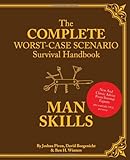
Following the success of The Complete Worst-Case Scenario Survival Handbook (more than 150,000 copies sold!), this ruggedly handsome hardcover collection brings together new and classic advice from Worst-Case experts to help readers master the manly artsfrom wrestling an alligator to calming a crying child to extinguishing backyardbarbeque fireswith all the contents fully searchable on an accompanying CD.
Related Survival Book Products
Handbook to Practical Disaster Preparedness for the Family, 2nd Edition
Handbook to Practical Disaster Preparedness for the Family, 2nd Edition

This handbook will help you to establish a practical disaster preparedness plan for your entire family. The 2ND EDITION has been expanded to include discussions of long-term food storage options, firearm selection and handling, disaster preparedness networks, radiological emergencies, our country’s impending financial collapse, and much more. Steps are also provided to help you prepare for the five deadliest types of natural disasters: earthquakes, tornadoes, hurricanes, floods, and tsunamis. This new larger 8″ x 10″ format includes easy-to-copy worksheets to help organize your family’s preparedness plans. Additional information is presented for the elderly, those with children, people with disabilities, pregnant women, and pet owners. Every topic is well researched with over 280 references cited.
The Worst-Case Scenario Survival Handbook: Extreme Edition Reviews
The Worst-Case Scenario Survival Handbook: Extreme Edition

How could it get any worse?
For the latest book in the phenomenally successful Worst-Case Scenario Survival Handbook series, the authors have pulled out all the stops, harkening back to the core appeal that made the first book a runaway bestseller. Here are all new scenarios for living life on the very edge. Imperiled readers will learn immediate, hands-on strategies for surviving an elephant stampede, a 16-car pile-up, a mine collapse, and a nuclear attack. Discover how to take a bullet, control a runaway hot air balloon, break a gorilla’s grip, endure a Turkish prison, and free a limb from a beartrap. Whether stranded on an iceberg, being chased by a pack of wolves, spinning out on a motorcycle, or being buried alive, The Worst-Case Scenario Survival Handbook: Extreme Edition has all the right stuff for those times when everything goes wrong.
US ARMY RANGER HANDBOOK, Military Manuals, Survival Ebooks
US ARMY RANGER HANDBOOK, Military Manuals, Survival Ebooks

TABLE OF CONTENTS
RANGER CREED
STANDING ORDERS ROGER’S RANGERS
RANGER HISTORY
CHAPTER 1 – LEADERSHIP
1-1. PRINCIPLES
1-2. DUTIES, RESPONSIBILITIES, AND ACTIONS
1-3. ASSUMPTION OF COMMAND
CHAPTER 2 – OPERATIONS
2-1. TROOP-LEADING PROCEDURES
2-2. COMBAT INTELLIGENCE
2-3. WARNING ORDER
2-4. OPERATIONS ORDER
2-5. FRAGMENTARY ORDER
2-6. ANNEXES
2-7. COORDINATION CHECKLISTS
2-8. DOCTRINAL TERMS
2-9. TERRAIN MODEL
CHAPTER 3 – FIRE SUPPORT
3-1. PLANNING
3-2. TASKS
3-3. CAPABILITIES
3-4. RISK ESTIMATE DISTANCES
3-5. TARGET OVERLAYS
3-6. CLOSE AIR SUPPORT
3-7. CALL FOR FIRE
CHAPTER 4 – MOVEMENT
4-1. TECHNIQUES
4-2. TACTICAL MARCHES
4-3. MOVEMENT IN LIMITED VISIBILITY CONDITIONS
4-4. DANGER AREAS
CHAPTER 5 – PATROLS
5-1. PRINCIPLES
5-2. PLANNING
5-3. RECONNAISSANCE PATROLS
5-4. COMBAT PATROLS
5-5. SUPPORTING TASKS
5-6. MOVEMENT TO CONTACT
CHAPTER 6 – BATTLE DRILLS
SECTION I. INTRODUCTION
6-1. DEFINITION
6-2. FORMAT
SECTION II. DRILLS
1. REACT TO CONTACT
2. BREAK CONTACT
3. REACT TO AMBUSH
4. KNOCK OUT BUNKERS
5. ENTER BUILDING/CLEAR ROOM
6. ENTER/CLEAR A TRENCH
7. CONDUCT INITIAL BREACH OF A MINED WIRE OBSTACLE (PLATOON)
8. REACT TO INDIRECT FIRE
CHAPTER 7 – COMMUNICATIONS
SECTION I. INTRODUCTION
7-1. MILITARY FREQUENCY MODULATED RADIOS
7-2. AUTOMATED NET CONTROL DEVICE
SECTION II. ANTENNAS
7-3. REPAIR
7-4. CONSTRUCTION AND ADJUSTMENT
7-5. FIELD-EXPEDIENT OMNIDIRECTIONAL ANTENNAS
7-6. FIELD-EXPEDIENT DIRECTIONAL ANTENNAS
7-7. ANTENNA LENGTH
7-8. ANTENNA ORIENTATION
7-9. IMPROVEMENT OF MARGINAL COMMUNICATIONS
CHAPTER 8 – ARMY AVIATION
8-1. REVERSE PLANNING SEQUENCE
8-2. SELECTION AND MARKING OF PICKUP AND LANDING ZONES
8-3. AIR ASSAULT FORMATIONS
8-4. PICKUP ZONE OPERATIONS
8-5. SAFETY
8-6. CLOSE COMBAT ATTACK AVIATION
CHAPTER 9 – WATERBORNE OPERATIONS
9-1. ROPE BRIDGE TEAM
9-2. PONCHO RAFT
9-3. WATERCRAFT
CHAPTER 10 – MILITARY MOUNTAINEERING
10-1. TRAINING
10-2. DISMOUNTED MOBILITY
10-3. MOUNTAINEERING EQUIPMENT
10-4. ANCHORS
10-5. KNOTS
10-6. BELAYS
10-7. CLIMBING COMMANDS
10-8. ROPE INSTALLATIONS
10-9. RAPPELING
CHAPTER 11 – EVASION/SURVIVAL
11-1. EVASION
11-2. SURVIVAL
11-3. WATER
11-4. PLANT FOOD
11-5. ANIMAL FOOD
11-6. TRAPS AND SNARES
11-7. SHELTERS
11-8. FIRES
CHAPTER 12 – FIRST AID
12-1. LIFESAVING STEPS
12-2. CARE UNDER FIRE
12-3. PRIMARY SURVEY
12-4. AIRWAY MANAGEMENT
12-5. BREATHING
12-6. BLEEDING
12-7. SHOCK
12-8. EXTREMITY INJURIES
12-9. ABDOMINAL INJURIES
12-10. BURNS
12-11. WEATHER (HEAT AND COLD) INJURIES
12-12. POISONOUS PLANT IDENTIFICATION
12-13. FOOT CARE
12-14. CASUALTY RESCUE AND TRANSPORT SYSTEM LITTER
12-15. HYDRATION AND ACCLIMATIZATION
12-16. WORK, REST, AND WATER CONSUMPTION
CHAPTER 13 – DEMOLITIONS
13-1. INITIATING (PRIMING) SYSTEMS
13-2. DETONATION (FIRING) SYSTEMS
13-3. SAFETY
13-5. EXPEDIENT EXPLOSIVES–PLATTER CHARGE
13-6. EXPEDIENT EXPLOSIVES–GRAPESHOT CHARGE
13-7. DEMOLITION KNOTS
13-8. MINIMUM SAFE DISTANCES
13-9. BREACHING CHARGES
13-10. TIMBER CUTTING CHARGES
CHAPTER 14 – RANGER URBAN OPERATIONS
14-1. TYPES
14-2. PRINCIPLES
14-3. METT-TC
14-4. CLOSE QUARTERS COMBAT
14-5. REHEARSALS
14-6. TTPS FOR MARKING BUILDINGS AND ROOMS
14-7. URBAN ASSAULT BREACHES
CHAPTER 15 – VEHICLE CONVOY OPERATIONS
15-1. PLANNING CONSIDERATIONS
15-2. FIVE PHASES OF TRUCK MOVEMENT
15-3. CONVOY TECHNIQUES
CONVOY WARNING ORDER
CONVOY BRIEF
REACT TO AMBUSH (NEAR)
REACT TO AMBUSH (FAR)
CONVOY FORCED TO STOP (METHOD 1)
CONVOY FORCED TO STOP (METHOD 2)
BREAK CONTACT
RECOVERY AND CASEVAC OPERATIONS
APPENDIX A – RESOURCES
REACT TO INDIRECT FIRE
REACT TO CONTACT
REACT TO NEAR AMBUSH
REACT TO FAR AMBUSH
BREAK CONTACT
FORMATIONS AND ORDER OF MOVEMENT
LINKUP
LINEAR DANGER AREA
LARGE OPEN DANGER AREA
CROSSING A SMALL OPEN AREA
SQUAD ATTACK
RAID BOARDSTABLE OF CONTENTS
RANGER CREED
STANDING ORDERS ROGER’S RANGERS
RANGER HISTORY
CHAPTER 1 – LEADERSHIP
1-1. PRINCIPLES
1-2. DUTIES, RESPONSIBILITIES, AND ACTIONS
1-3. ASSUMPTION OF COMMAND
CHAPTER 2 – OPERATIONS
2-1. TROOP-LEADING PROCEDURES
2-2. COMBAT INTELLIGENCE
2-3. WARNING ORDER
2-4. OPERATIONS ORDER
2-5. FRAGMENTARY ORDER
2-6. ANNEXES
2-7. COORDINATION CHECKLISTS
2-8. DOCTRINAL TERMS
2-9. TERRAIN MODEL
CHAPTER 3 – FIRE SUPPORT
3-1. PLANNING
3-2. TASKS
3-3. CAPABILITIES
3-4. RISK ESTIMATE DISTANCES
3-5. TARGET OVERLAYS
3-6. CLOSE AIR SUPPORT
3-7. CALL FOR FIRE
CHAPTER 4 – MOVEMENT
4-1. TECHNIQUES
4-2. TACTICAL MARCHES
4-3. MOVEMENT IN LIMITED VISIBILITY CONDITIONS
4-4. DANGER AREAS
CHAPTER 5 – PATROLS
5-1. PRINCIPLES
5-2. PLANNING
5-3. RECONNAISSANCE PATROLS
5-4. COMBAT PATROLS
5-5. SUPPORTING TASKS
5-6. MOVEMENT TO CONTACT
CHAPTER 6 – BATTLE DRILLS
SECTION I. INTRODUCTION
6-1. DEFINITION
6-2. FORMAT
SECTION II. DRILLS
1. REACT TO CONTACT
2. BREAK CONTACT
3. REACT TO AMBUSH
4. KNOCK OUT BUNKERS
5. ENTER BUILDING/CLEAR ROOM
6. ENTER/CLEAR A TRENCH
7. CONDUCT INITIAL BREACH OF A MINED WIRE OBSTACLE (PLATOON)
8. REACT TO INDIRECT FIRE
CHAPTER 7 – COMMUNICATIONS
SECTION I. INTRODUCTION
7-1. MILITARY FREQUENCY MODULATED RADIOS
7-2. AUTOMATED NET CONTROL DEVICE
SECTION II. ANTENNAS
7-3. REPAIR
7-4. CONSTRUCTION AND ADJUSTMENT
7-5. FIELD-EXPEDIENT OMNIDIRECTIONAL ANTENNAS
7-6. FIELD-EXPEDIENT DIRECTIONAL ANTENNAS
7-7. ANTENNA LENGTH
7-8. ANTENNA ORIENTATION
7-9. IMPROVEMENT OF MARGINAL COMMUNICATIONS
CHAPTER 8 – ARMY AVIATION
8-1. REVERSE PLANNING SEQUENCE
8-2. SELECTION AND MARKING OF PICKUP AND LANDING ZONES
8-3. AIR ASSAULT FORMATIONS
8-4. PICKUP ZONE OPERATIONS
8-5. SAFETY
8-6. CLOSE COMBAT ATTACK AVIATION
CHAPTER 9 – WATERBORNE OPERATIONS
9-1. ROPE BRIDGE TEAM
9-2. PONCHO RAFT
9-3. WATERCRAFT
CHAPTER 10 – MILITARY MOUNTAINEERING
10-1. TRAINING
10-2. DISMOUNTED MOBILITY
10-3. MOUNTAINEERING EQUIPMENT
10-4. ANCHORS
10-5. KNOTS
10-6. BELAYS
10-7. CLIMBING COMMANDS
10-8. ROPE INSTALLATIONS
10-9. RAPPELING
CHAPTER 11 – EVASION/SURVIVAL
11-1. EVASION
11-2. SURVIVAL
11-3. WATER
11-4. PLANT FOOD
11-5. ANIMAL FOOD
11-6. TRAPS AND SNARES
11-7. SHELTERS
11-8. FIRES
CHAPTER 12 – FIRST AID
12-1. LIFESAVING STEPS
12-2. CARE UNDER FIRE
12-3. PRIMARY SURVEY
12-4. AIRWAY MANAGEMENT
12-5. BREATHING
12-6. BLEEDING
12-7. SHOCK
12-8. EXTREMITY INJURIES
12-9. ABDOMINAL INJURIES
12-10. BURNS
12-11. WEATHER (HEAT AND COLD) INJURIES
12-12. POISONOUS PLANT IDENTIFICATION
12-13. FOOT CARE
12-14. CASUALTY RESCUE AND TRANSPORT SYSTEM LITTER
12-15. HYDRATION AND ACCLIMATIZATION
12-16. WORK, REST, AND WATER CONSUMPTION
CHAPTER 13 – DEMOLITIONS
13-1. INITIATING (PRIMING) SYSTEMS
13-2. DETONATION (FIRING) SYSTEMS
13-3. SAFETY
13-5. EXPEDIENT EXPLOSIVES–PLATTER CHARGE
13-6. EXPEDIENT EXPLOSIVES–GRAPESHOT CHARGE
13-7. DEMOLITION KNOTS
13-8. MINIMUM SAFE DISTANCES
13-9. BREACHING CHARGES
13-10. TIMBER CUTTING CHARGES
CHAPTER 14 – RANGER URBAN OPERATIONS
14-1. TYPES
14-2. PRINCIPLES
14-3. METT-TC
14-4. CLOSE QUARTERS COMBAT
14-5. REHEARSALS
14-6. TTPS FOR MARKING BUILDINGS AND ROOMS
14-7. URBAN ASSAULT BREACHES
CHAPTER 15 – VEHICLE CONVOY OPERATIONS
15-1. PLANNING CONSIDERATIONS
15-2. FIVE PHASES OF TRUCK MOVEMENT
15-3. CONVOY TECHNIQUES
CONVOY WARNING ORDER
CONVOY BRIEF
REACT TO AMBUSH (NEAR)
REACT TO AMBUSH (FAR)
CONVOY FORCED TO STOP (METHOD 1)
CONVOY FORCED TO STOP (METHOD 2)
BREAK CONTACT
RECOVERY AND CASEVAC OPERATIONS
APPENDIX A – RESOURCES
REACT TO INDIRECT FIRE
REACT TO CONTACT
REACT TO NEAR AMBUSH
REACT TO FAR AMBUSH
BREAK CONTACT
FORMATIONS AND ORDER OF MOVEMENT
LINKUP
LINEAR DANGER AREA
LARGE OPEN DANGER AREA
CROSSING A SMALL OPEN AREA
SQUAD ATTACK
RAID BOARDS
Related Survival Book Products
U.S. Air Force Survival Handbook
U.S. Air Force Survival Handbook

A comprehensive manual of proven wilderness survival tactics for every situation. Written for use in formal United States Air Force survival training courses, the U.S. Air Force Survival Handbook is the bible for pilots who want to stay alive-no matter what. Assuming, as the Air Force does, that flight personnel may be faced at any time with a bailout or crash landing in hostile territory without supplies, the advice here is superlatively practical, but also surprisingly readable and interesting. Detailing specific survival threats at sea, in the tropics, in the desert, in Arctic conditions, and the psychological perils of imprisonment and torture, this handbook is replete with fascinating and useful (if unsettling) information. Precisely written, profusely illustrated, and completely authoritative, this is an essential book for anyone-soldier or civilian-looking for knowledge that could prove to be the difference between life and death in a dangerous situation. 1000 black-and-white illustrations
Related Survival Book Products

